- Home
- About Us
- News
- Nature Late
Nature Late
BackArticle / Posted on 8 Jul 2026
On Thursday 2nd July, the Rumble Museum held its second annual Nature Late Festival, celebrating the beauty and diversity of nature, and exploring the importance of protecting our environment, through a range of stalls, activities and events.
The festival began with an 'in conversation with' Roger Harrabin, journalist and former BBC Environment Analyst. Roger shared his experiences of entering journalism and how he became interested in the environment. He spoke about his frustrations with the recent lack of environmental reporting, his views on the importance of young people taking action by asking questions of politicians, and his fears about the current approach to the environment by powerful people. He also entertained the hall with witty anecdotes from interviews and meetings, including one with Margaret Thatcher, whom he did also credit with raising the environment as a pressing concern in the 1980s.
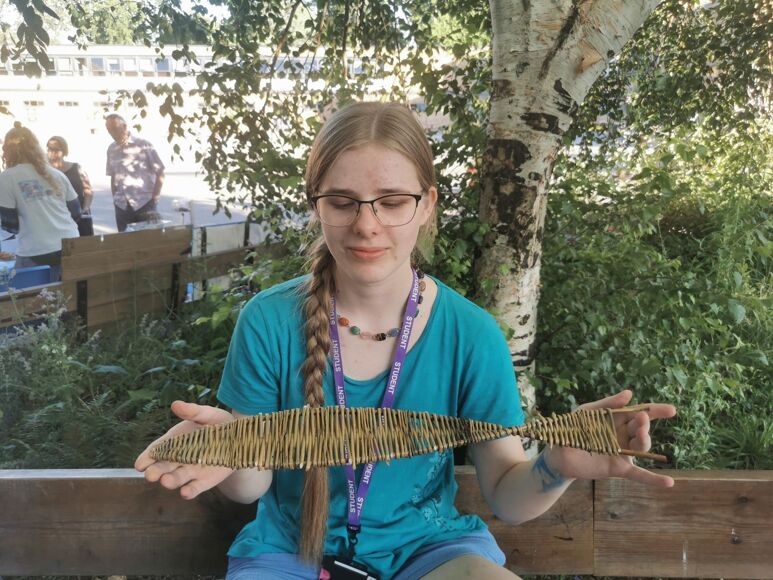
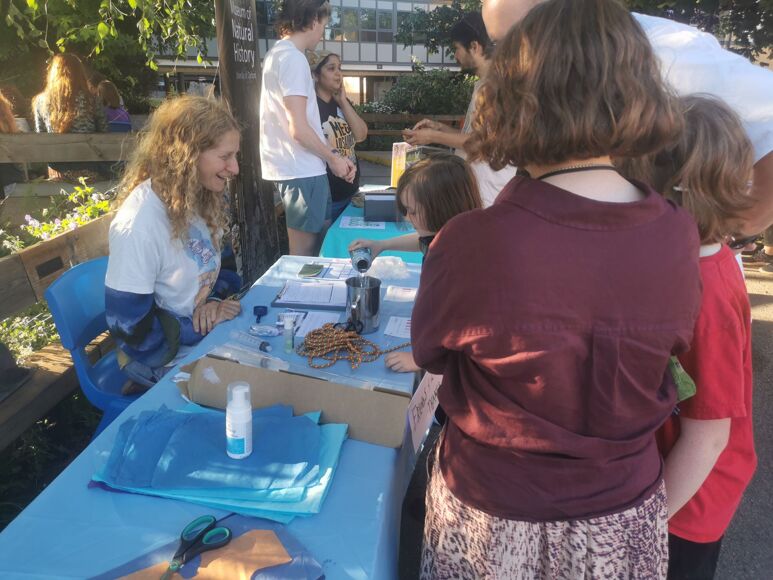
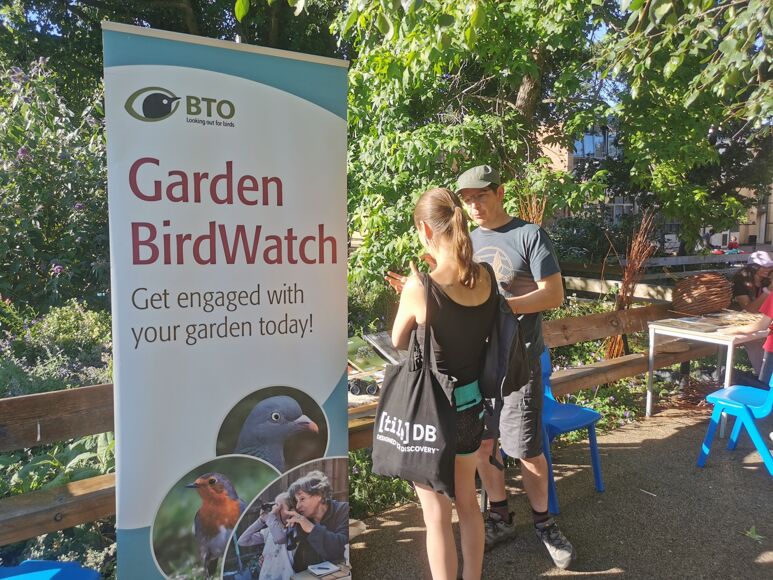
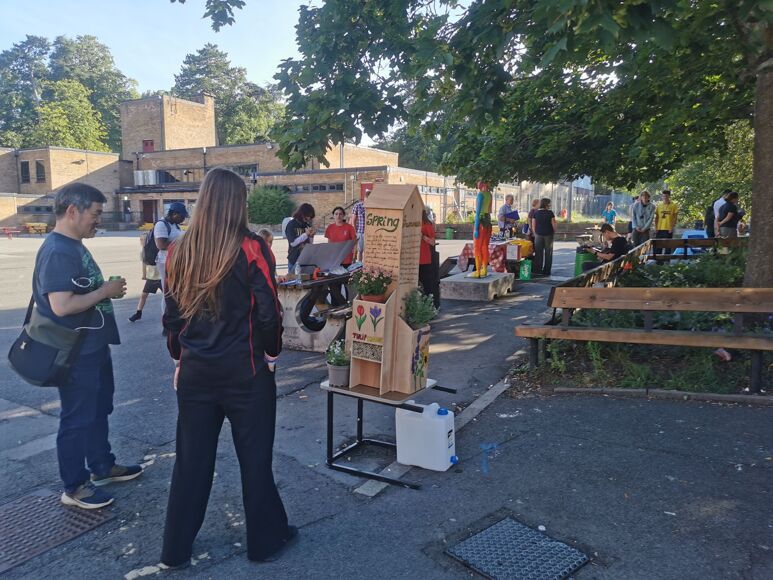
After his talk, the main festival opened, with over thirty different stalls and activities. We were delighted to welcome RSPB Oxford and Oxford Ornithological Society, and Andy Godwin from Willow Coppice who brought willow for people to make beautiful willow fish. The Oxford Museum of Natural History and the Oxford Preservation Trust were there, as well as the Museum of Climate Hope and Friends of the Thames, who ran a water testing activity. Oxford Brookes brought microscopes for viewing tiny creatures up close, and Cheney's own Eco Club and Sixth Form Sustainability Committee both ran activity stalls about their work in school. Friends of Cheney ran refreshments and showcased their amazing Greening Cheney work. Sixth Form Enrichment students also ran facepainting, and Sixth form Musicians Oscar, Rachel and Kitty also played music both before and during the event.
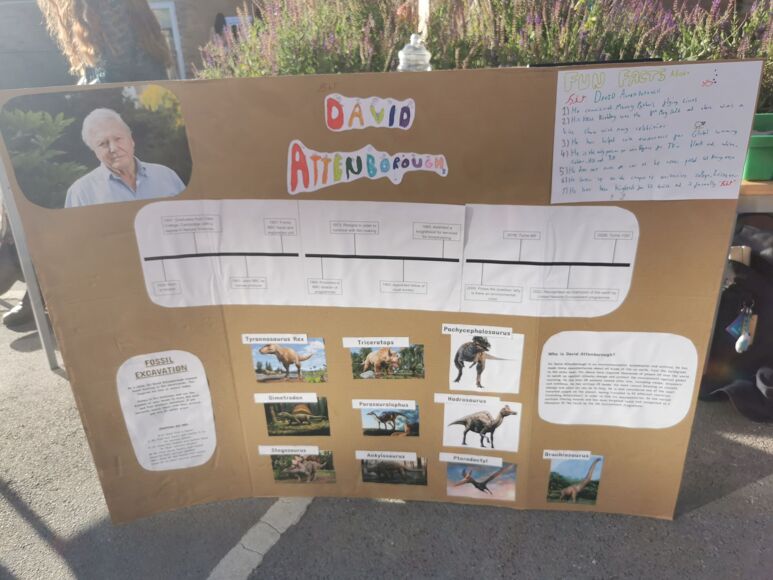
As well as these, Year Eight Museum Council students had devised their own information and activity stalls, including dinosaur skeleton discoveries and David Attenborough, deep sea fish and badge making, flowers and their meanings with an origami activity, poisonous plants and bats, and how species change over time to adapt to the climate.
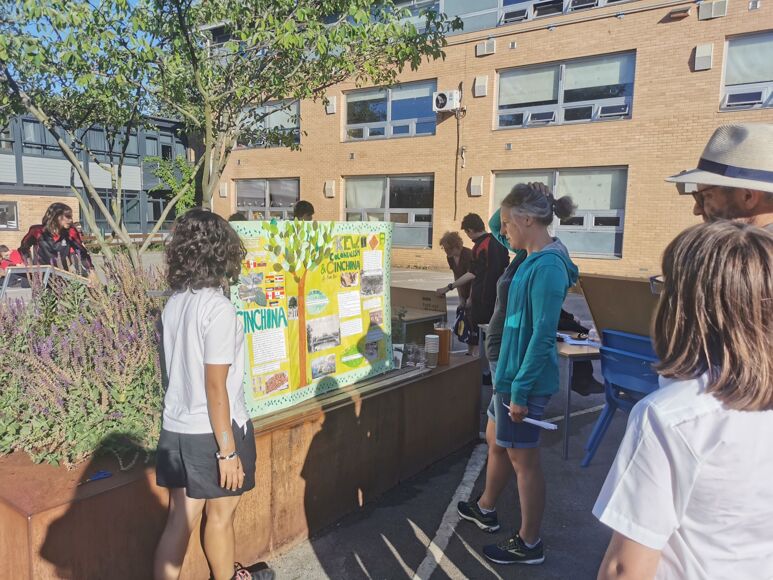
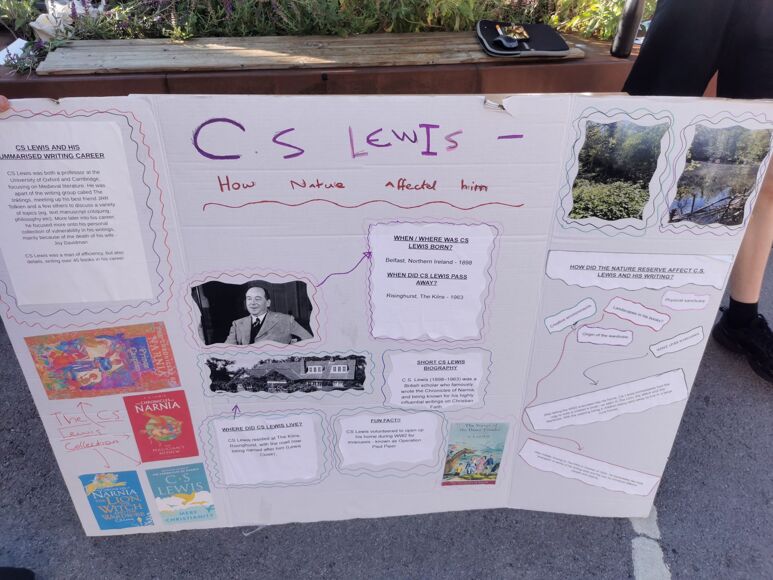
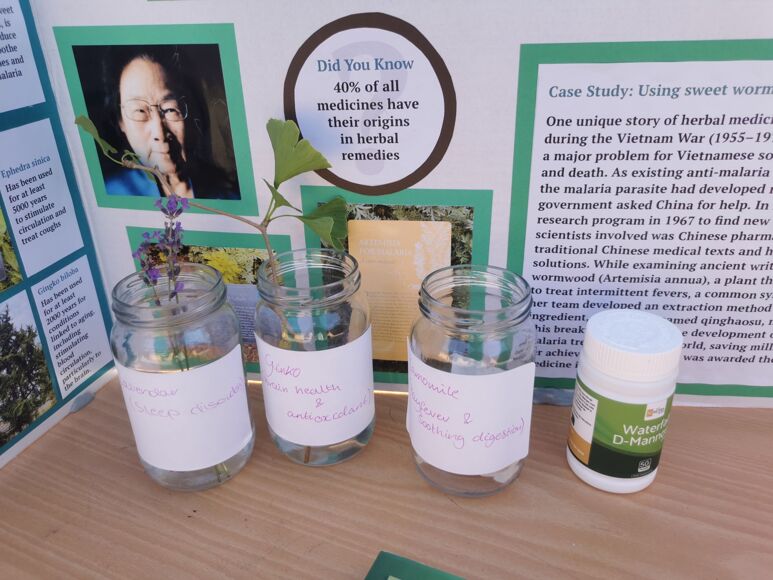
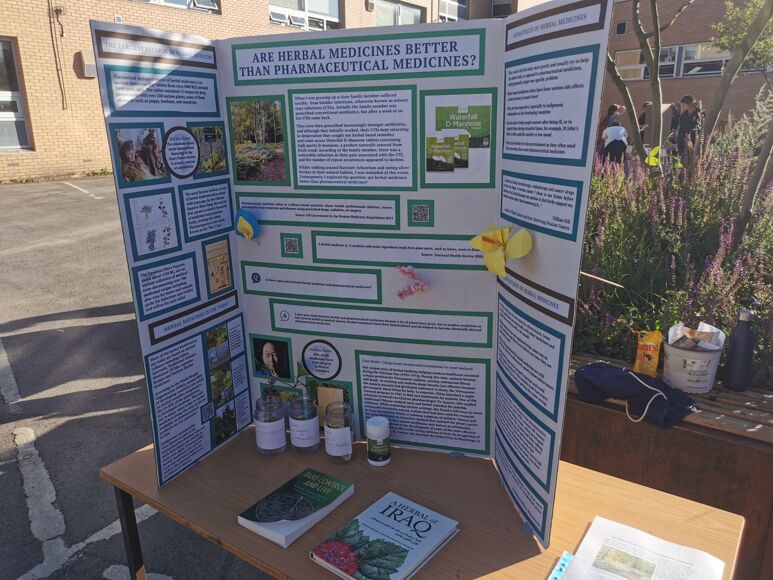
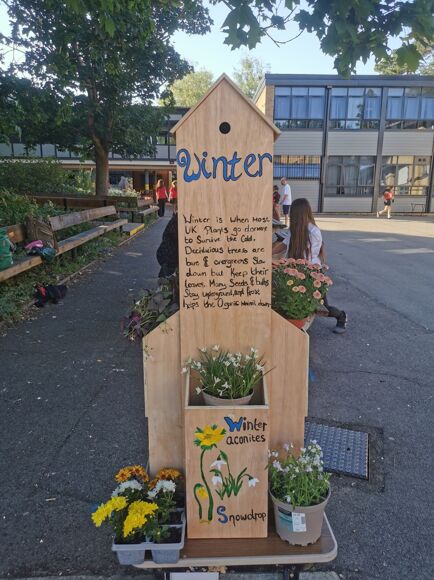
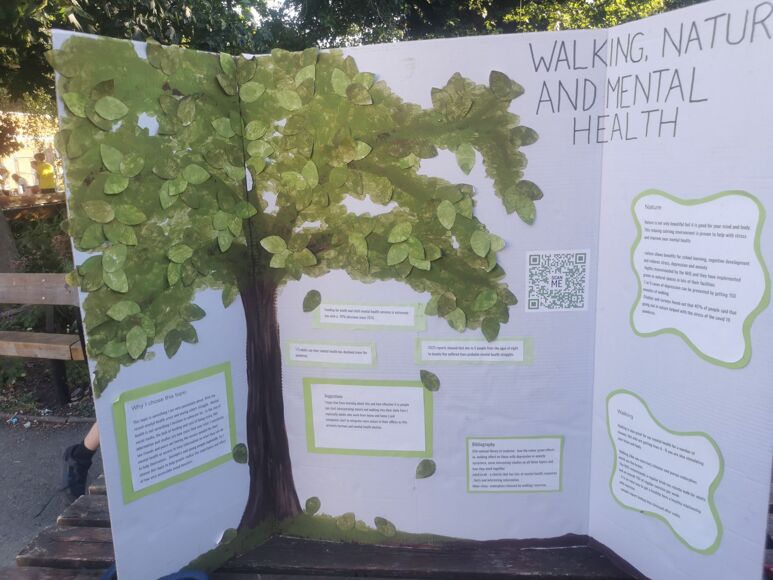
Year Nines have been working on a year-long project with the Harcourt Arboretum and carrying out their own research projects related to this. They presented their careful research on trees and well-being, trees in institutional settings, herbal medicine, plants and colonialism, trees in popular culture, trees and industrialisation, trees and insects, how trees communicate, trees in the stories of C.S. Lewis, and the creation of a four sided display station representing seasonal changes. The students explained their research, showed boards and items they had designed, and took questions from visitors.
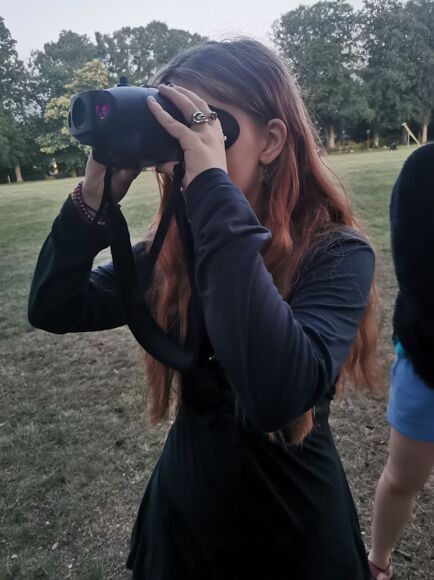
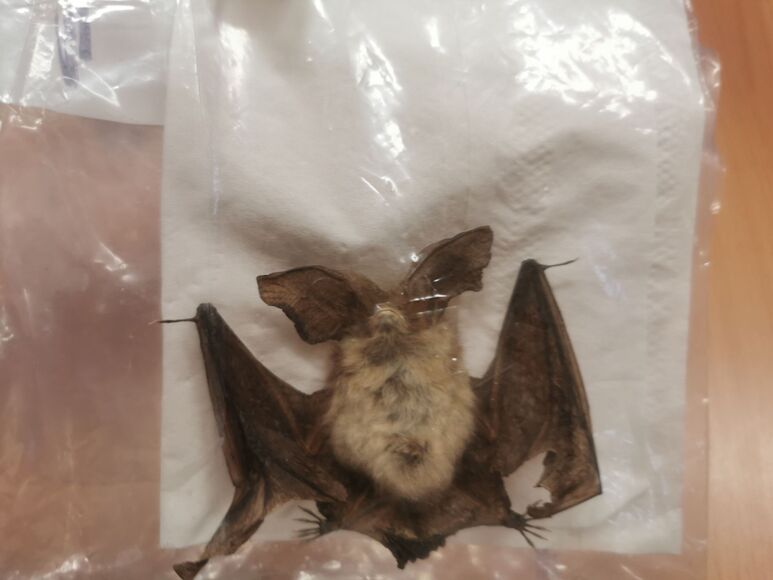
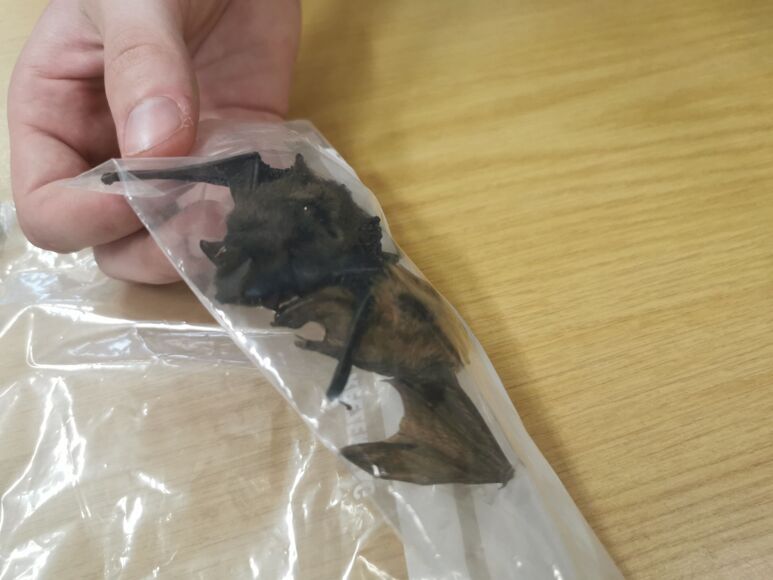
As the festival was winding down, our first ever Bat Night was beginning! Ben Carpenter, Principal Ecologist at Bioscan, and assistant ecologist Lindsey, began this final leg of the event with an introduction to bats and the kinds of bats you might find in the UK. He explained that they emit sounds outside of the frequency of human hearing, but with special detection equipment, they could be heard. He demonstrated the equipment, and the sound signatures of different bats, and also showed some bat specimens. As twilight fell, we headed out to the trees nearby. Ben had told us that the first bat to come out was a noctule, and we were lucky enough to hear and see one over the trees. As it got darker, we then heard a lot of common pipistrelles using the devices, and we saw many flying close above our heads between the trees as well.
It was a very atmospheric and exciting end to our Nature Late event. We are enormously grateful to Roger Harrabin, all our visiting stall-runners, our students who ran stalls and activities and looked after visitors, our sixth form musicians, and Ben and Lindsey for a fascinating Bat Night too. We are also very thankful to all our visitors who came to enjoy the event and learn more about nature.
The festival began with an 'in conversation with' Roger Harrabin, journalist and former BBC Environment Analyst. Roger shared his experiences of entering journalism and how he became interested in the environment. He spoke about his frustrations with the recent lack of environmental reporting, his views on the importance of young people taking action by asking questions of politicians, and his fears about the current approach to the environment by powerful people. He also entertained the hall with witty anecdotes from interviews and meetings, including one with Margaret Thatcher, whom he did also credit with raising the environment as a pressing concern in the 1980s.
After his talk, the main festival opened, with over thirty different stalls and activities. We were delighted to welcome RSPB Oxford and Oxford Ornithological Society, and Andy Godwin from Willow Coppice who brought willow for people to make beautiful willow fish. The Oxford Museum of Natural History and the Oxford Preservation Trust were there, as well as the Museum of Climate Hope and Friends of the Thames, who ran a water testing activity. Oxford Brookes brought microscopes for viewing tiny creatures up close, and Cheney's own Eco Club and Sixth Form Sustainability Committee both ran activity stalls about their work in school. Friends of Cheney ran refreshments and showcased their amazing Greening Cheney work. Sixth Form Enrichment students also ran facepainting, and Sixth form Musicians Oscar, Rachel and Kitty also played music both before and during the event.
As well as these, Year Eight Museum Council students had devised their own information and activity stalls, including dinosaur skeleton discoveries and David Attenborough, deep sea fish and badge making, flowers and their meanings with an origami activity, poisonous plants and bats, and how species change over time to adapt to the climate.
Year Nines have been working on a year-long project with the Harcourt Arboretum and carrying out their own research projects related to this. They presented their careful research on trees and well-being, trees in institutional settings, herbal medicine, plants and colonialism, trees in popular culture, trees and industrialisation, trees and insects, how trees communicate, trees in the stories of C.S. Lewis, and the creation of a four sided display station representing seasonal changes. The students explained their research, showed boards and items they had designed, and took questions from visitors.
As the festival was winding down, our first ever Bat Night was beginning! Ben Carpenter, Principal Ecologist at Bioscan, and assistant ecologist Lindsey, began this final leg of the event with an introduction to bats and the kinds of bats you might find in the UK. He explained that they emit sounds outside of the frequency of human hearing, but with special detection equipment, they could be heard. He demonstrated the equipment, and the sound signatures of different bats, and also showed some bat specimens. As twilight fell, we headed out to the trees nearby. Ben had told us that the first bat to come out was a noctule, and we were lucky enough to hear and see one over the trees. As it got darker, we then heard a lot of common pipistrelles using the devices, and we saw many flying close above our heads between the trees as well.
It was a very atmospheric and exciting end to our Nature Late event. We are enormously grateful to Roger Harrabin, all our visiting stall-runners, our students who ran stalls and activities and looked after visitors, our sixth form musicians, and Ben and Lindsey for a fascinating Bat Night too. We are also very thankful to all our visitors who came to enjoy the event and learn more about nature.